

Key takeaways
- Securing is designed against sliding and tilt forces, calculated from cargo weight and vehicle dynamics, not by feel.
- Lashing points on both cargo and vehicle must be sturdy and designed for the purpose; lashings must be rated, in good condition and aligned to share the load.
- Every stage ends in a record: measurements, photographs and inspection notes are the evidence in any later claim.
Objective
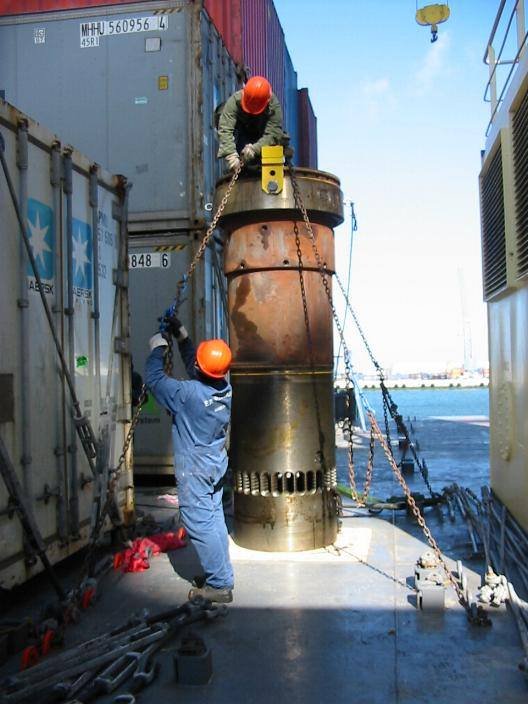
To load and lash over-dimensional cargo (ODC) onto a transport vehicle safely, within industry safety standards and regulations. Personnel must be trained and equipped for the task. For the wider picture, see the iCargoFinsure guide on ODC cargo inspection in India.
1. Preparation
- Cargo: verify dimensions, weight and condition against transport requirements, and check for protruding or sharp edges.
- Vehicle: inspect the flatbed or specialised transporter for structural damage or mechanical faults and confirm it carries the necessary securing equipment.
2. Loading
- Position the cargo for even weight distribution and stability; use dunnage where needed, keeping the dunnage-to-cargo coefficient of friction within acceptable limits.
- Identify securing points on both cargo and vehicle. They must be sturdy and designed for securing cargo.
- Use appropriate lifting equipment (cranes, forklifts) with trained, certified operators.
- Spread the load to avoid overloading any part of the vehicle.
3. Lashing and securing
- Materials: use chains, straps or cables of suitable rating, in good condition and free of defects.
- Method: combine lashing methods (direct lashing, edge protectors, friction mats). Use enough tension to prevent shifting, without over-tightening and damaging the cargo.
- Points: attach to the predetermined securement points and align lashings to distribute forces evenly.
- Forces: calculate the expected sliding and tilt forces from cargo weight and vehicle dynamics, and design the securing system to withstand them.
4. Inspection and verification
- Visual inspection of the whole load and securing system for damage, loose lashings or shifting.
- Measurements to verify that the cargo remains within allowed dimensions, documented.
- Controlled tests of the securing system against sliding and tilt forces, using calibrated equipment.
5. Lashing material inspection
- Confirm that the lashing type suits the cargo and meets industry standards.
- Check the maximum securing load specified by the manufacturer for each type.
- Calculate and verify the safe working load of each lashing, allowing for its condition and age.
6. Final checks
- Communication: everyone in the movement knows the cargo, its securing and any special considerations.
- Safety measures such as warning signs and cones are in place for the duration of transport.
- Records: complete documentation of loading, lashing and inspection, with photographs and measurements.
7. Post-loading and 8. Emergencies
- Final inspection before departure to confirm lashings remain intact, then periodic monitoring in transit.
- An emergency response plan for accidents or incidents, with all personnel familiar with the procedures and contacts.
This SOP is general guidance. It is not a certified cargo-securing calculation for any specific load.
Questions answered
- What forces must ODC lashing be designed against?
- Sliding and tilt forces, calculated from cargo weight and vehicle dynamics, and verified against the safe working load of each lashing.
Cite this note
iCargoFinsure Research Desk. “SOP: Loading and Lashing Over-Dimensional Cargo.” Manthan, iCargoFinsure, 20 Oct 2026. https://www.icargofinsure.com/manthanblog/odc-loading-lashing-sop.html