

Key takeaways
- Cover and condition are documented at dispatch, because a linked chain of documents from dispatch speeds settlement.
- Closed vehicles cost more freight but can cost less than the wet-damage losses they prevent. Run the numbers for the rainy quarters.
- Start the claim file within 72 hours of the damage, with photographs, inspection reports and a named owner.
Why the rainy quarters matter
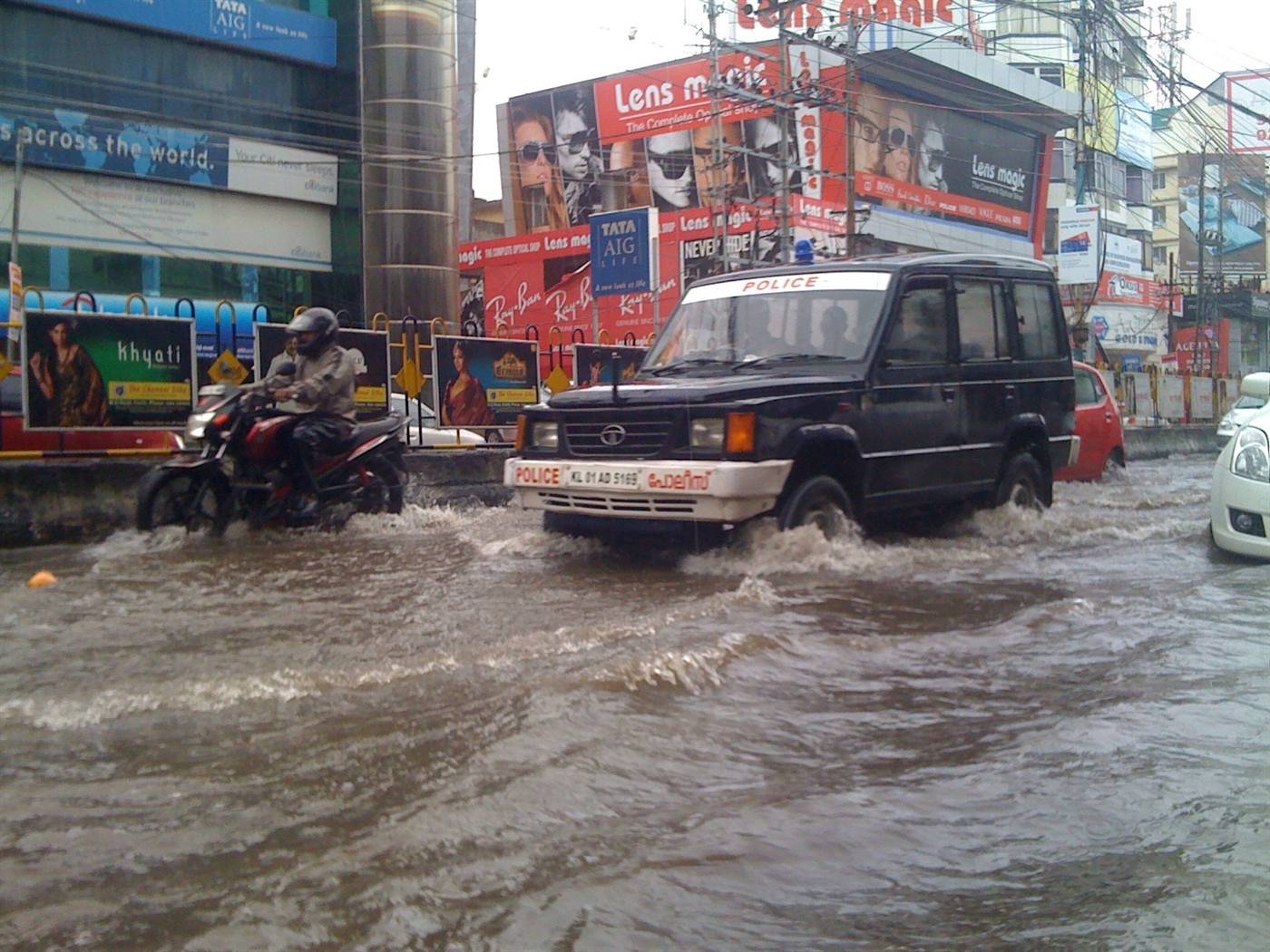
Q2 and Q3 bring monsoon rain across most Indian corridors. Wet damage is an attritional loss: small, frequent and preventable, which is exactly the kind of loss that never makes headlines and still erodes margin. The checklist below treats it as a process problem.
The ten controls
- Pre-dispatch tarpaulin inspection. Confirm every consignment is covered and the covers are intact. Record existing damage or weak points. A document chain linked from dispatch speeds up any later claim.
- Closed vehicles and the freight-versus-loss trade-off. Prefer closed vehicles in the rains, check seals against water ingress, verify vehicle condition before loading, and compare the extra freight with expected wet losses.
- On-the-spot virtual inspections. Run real-time inspection during loading and unloading, use CCTV or live video to watch handling and fix issues at once. Fast-tag and container tracking data over the last 72 hours helps analyse cause, extent and nature of attritional losses.
- Damage identification and loss evaluation. Train people to recognise rain damage, use a standard evaluation method, and photograph everything with a written description.
- 72-hour claim file. Start the claim within 72 hours of the damage, compile pictures and inspection reports, and assign one person to own the file.
- Live video of inspection. Let assessors view damaged cargo remotely and in real time so the record is transparent and accurate.
- Documentation for the claim process. Prepare detailed reports, invoices and evidence, and keep clear communication with the insurer.
- Verification, adjustment and settlement. Work with the adjuster, enable any further inspection the insurer needs, and negotiate settlement on documented damage and contract terms.
- Continuous monitoring and improvement. Review the process regularly, correct what fails, follow good practice and technology, and fold claims and underwriting into logistics and purchasing.
- Training and awareness. Train handlers and claims staff, and build a culture where prevention and timely reporting are normal.
How to price the closed-vehicle decision
Take last season’s wet-damage claims and uninsured deductibles for the corridor, add the cost of delay and customer complaints, and compare the total with the extra freight for a closed vehicle on the same tonnage. The point of the exercise is not a precise figure. It is to stop treating rain as a surprise.
The source checklist makes the same point in a line worth keeping: factor in the rising uncertainty of the rains, and do not stand under the flyover hoping it passes.
Questions answered
- How soon should a wet damage claim file be started?
- Within 72 hours of the damage, with photographs, inspection reports and one named owner for the file.
- Are closed vehicles worth the extra freight in the monsoon?
- Compare the extra freight with last season’s wet-damage losses on the same corridor and tonnage. Where wet losses exceed the premium for protection, closed vehicles pay for themselves.
Cite this note
iCargoFinsure Research Desk. “The Ten-Point Monsoon Cargo Damage Checklist.” Manthan, iCargoFinsure, 20 Oct 2026. https://www.icargofinsure.com/manthanblog/monsoon-cargo-damage-checklist.html